
Cruise Planning Resources
Last updated: August 2026
Everything you need to handle before you sail — documents, entry programs, money-saving tips, and trip protection — in one place. Jump to a section below.
On this page: Passports & Entry Requirements · Travel Insurance · Shore Excursions · Onboard WiFi · Saving Money Abroad · Quick Tools
Disclosure: This page contains affiliate links to products and services I recommend or use myself. As an affiliate, I may earn a commission on purchases or bookings made through my links, at no extra cost to you.
📘 Passports & Entry Requirements
Passport Information
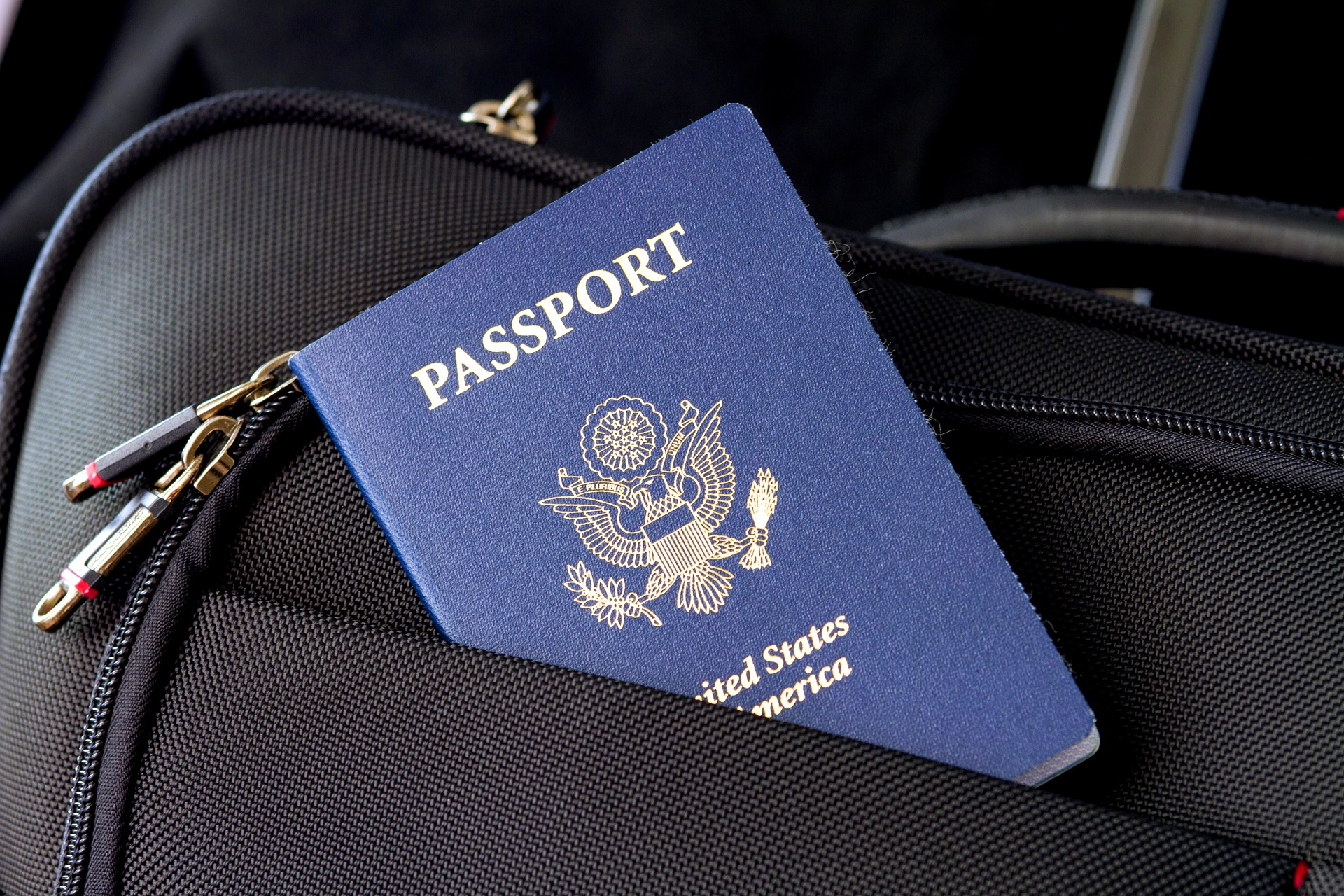
GYB Travel highly recommends you carry a Passport Book for any and all international travel, including closed-loop cruises. Your passport needs to be valid for at least 6 months after your return date — many countries will deny entry otherwise, even if you’re just passing through on a cruise stop. For passport applications and renewals, visit the U.S. State Department’s passport site.
Visas & Travel Advisories
To find out whether a country you’re visiting requires a visa, or to check current travel advisories, the State Department’s travel website has country-by-country information.
STEP (Smart Traveler Enrollment Program)
STEP is a free U.S. State Department service that lets you register your trip with the nearest embassy or consulate. Once enrolled, you’ll get safety alerts for your destination, and — most importantly — it makes it far easier for the embassy to locate and assist you in an emergency, whether that’s a natural disaster, civil unrest, or a personal crisis abroad.
Enrollment takes about five minutes at step.state.gov and is completely free.
UK Electronic Travel Authorization (ETA)
Flying into the UK now requires an Electronic Travel Authorization. Learn how to apply here before you fly.
TSA PreCheck
The TSA website covers TSA PreCheck applications, current carry-on rules, and tips for a faster security line.
Global Entry
Global Entry is a U.S. trusted traveler program that speeds up re-entry after international travel — once approved, you skip long customs lines using automated kiosks at select airports. It also includes TSA PreCheck, so you get shorter security lines on departure too. The application involves a background check and interview, plus a $120 fee for 5 years of membership. For anyone who cruises internationally more than once a year, the time saved usually justifies the cost.
Mobile Passport Control
Mobile Passport Control is a free CBP app that lets you submit passport info and customs declarations from your phone before arriving at a U.S. port of entry. You’ll use a dedicated Mobile Passport lane instead of paper forms and standard lines — a faster option than Global Entry without the application or expense. Available at most major airports and some cruise ports.
Travel Insurance
Travel insurance isn’t just about trip cancellation — for cruisers specifically, it matters most for two things: medical coverage abroad (your regular U.S. health insurance often doesn’t cover you once you leave U.S. waters) and missed-port or missed-ship coverage, since getting yourself to the next port after a missed embarkation can cost far more than the policy itself.
What to look for in a policy:
- Emergency medical and medical evacuation coverage — this is the one most people skip and regret; a medevac from a ship or foreign port can run into the tens of thousands without it.
- Trip cancellation/interruption — reimburses prepaid, non-refundable costs if you have to cancel or cut the trip short.
- “Cancel for any reason” (CFAR) upgrade — costs more, but removes the restriction that you can only cancel for a covered reason.
- Missed connection/missed port coverage — covers the cost of catching up to the ship if a flight delay makes you miss embarkation.
I recommend the following travel insurance companies for you to consider:
- GeoBlue or what is now called BlueCross BlueShield Global Solutions. This option is for medical coverage ONLY. Best to consider if you are getting travel insurance only from other sources like you a credit card.
- Travel Guard – I have personally used them as well as many clients.
- Allianz – very popular amongst cruisers and popular for annual plan policies.
⚓ Shore Excursions
You generally have two options for shore excursions: book through the cruise line, or book independently.
Booking through the cruise line costs more, but if the excursion runs late, the ship will wait for you — cruise-line excursions are the safer choice for tight itineraries or your first time in a port.
Booking independently (through a local operator or a third-party excursion marketplace) is usually cheaper and often more personalized or small-group, but if you’re late getting back, the ship will not wait, and you’re responsible for getting to the next port on your own.
These Shore Excursion companies you can consider for your next port adventure:
- Project Expedition – they have a Cruise Refund Policy and a Back to Ship Guarantee
- Viator
- Resort for a Day
(I may receive a small commission if you book an excursion through these links. It is at no additional cost to you but your support is greatly appreciated.)
A few tips regardless of how you book:
- Build in buffer time before “all aboard” — don’t book an excursion that returns right at the wire.
- Keep a photo of your ship’s departure time and port location on your phone.
- Independent excursions are riskiest in tender ports (where you take a boat to shore) — allow extra time for the return tender line.
📶 Onboard WiFi
Cruise ship WiFi is satellite-based, which means it’s generally slower and pricier than what you’re used to at home — but it’s improved a lot on newer ships with Starlink and similar systems.
A few things worth knowing before you sail:
- Buy your package before you board if you know you’ll need it — pre-cruise pricing is almost always cheaper than buying once onboard.
- One device vs. multi-device packages — check whether your cruise line’s package covers one device or several; family plans are usually worth it if more than one person needs to connect.
- Streaming is often restricted or throttled, even on paid packages — plan to download shows/podcasts before you sail rather than counting on streaming onboard.
- Turn on airplane mode and connect only to ship WiFi, not your cellular carrier — many cruisers get hit with roaming charges by forgetting this in port.
💳 Saving Money Abroad
Use a Credit Card With No Foreign Transaction Fees
One of the easiest ways to save money on an international cruise is using a credit card that doesn’t charge foreign transaction fees. Many standard cards charge 1–3% on every purchase made outside the U.S. — a fee that quietly adds up over the course of a trip. Look for a card marketed for travel that explicitly waives this fee; it’s a standard feature on most travel rewards cards, and using one costs you nothing extra to set up.
💡 Pro Tip
Always choose to pay in the local currency when a card terminal gives you the option overseas. Terminals often offer to convert the charge to U.S. dollars on the spot (“dynamic currency conversion”) — but that exchange rate is almost always worse than the rate your card company applies. Local currency wins nearly every time.
🔧 Quick Tools
- Currency Converter — check current exchange rates before you go, or while comparing onboard/port prices.
- Check Your Flight Status — useful for tracking connecting flights on embarkation day, especially if you’re flying in the morning of.
Planning Your Next Cruise?
If you want help navigating any of this — insurance, excursions, or just picking the right cruise — request a free quote and I’ll help you sort through it.